


We put together recycling programs and make them financeable.
Decarbon Financial is the program developer for the Circular Economy, and a carbon project developer. We put the store, the brand, the hauler and the recycling mill into one deal, with proof behind every handoff. We structure the deal. A licensed lender can fund it.
What we do, from your trash to the money.
Every program starts with the review.
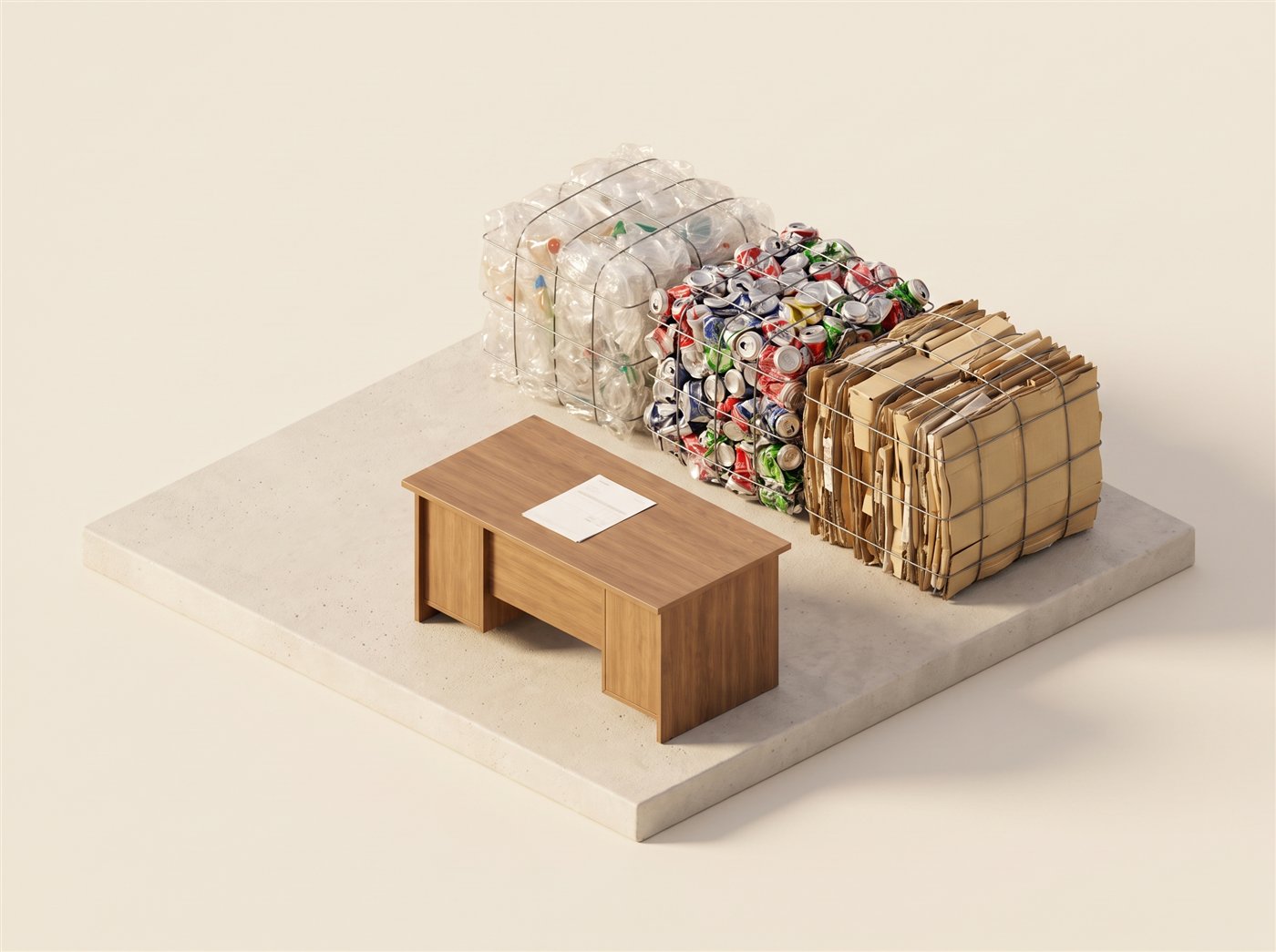
We look at what you throw away, what it could be worth, and what your packaging fees and recycling targets ask of you. You get a plain answer: does a program make sense here, and what would it take?
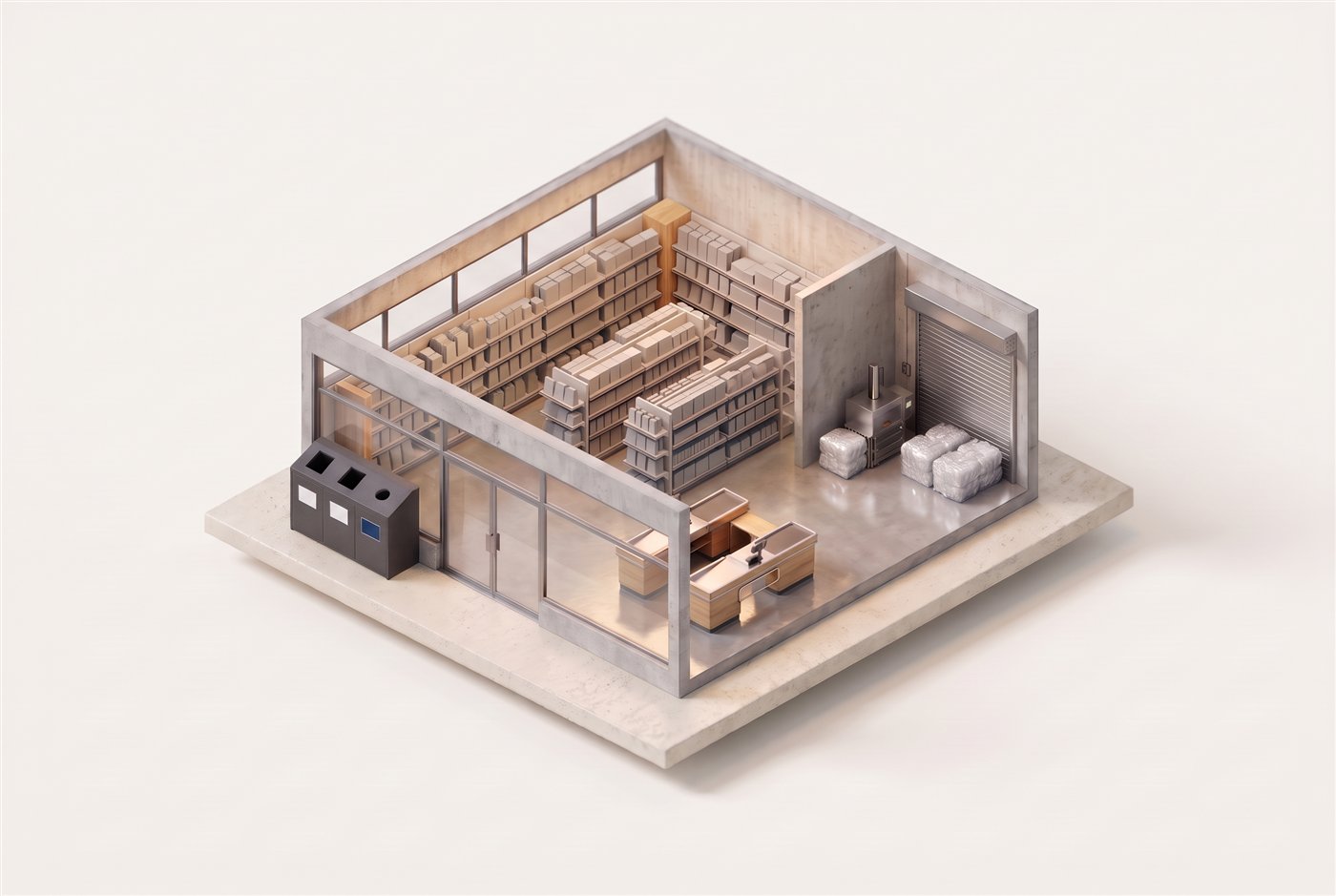
The right setup where your trash already is: bins, balers, routes and pickups, sized to what you throw away. Geared for Green sets it up and runs it, with your hauler.

The store, the brand, the hauler and the recycling mill sign one deal. It says who pays, who gets the material and its story, and who checks the record. If a program needs an operator, we find one and sign them up.

Each program is built so every handoff is weighed and recorded, from your back door to the recycling mill. We bring in an independent auditor to check the record. The auditor is paid for the check, never for the result.

A brand with strong credit can sign a contract to pay a set amount each year, instead of one big check. We structure the deal so a licensed lender can fund the start against that contract.

Once a program starts, we keep it on track: the record, the independent checks on the schedule you choose, and the proof you share with your customers.
Who gets what.

You hold the material at the end of the line. Start at no upfront cost when brands fund the program, in return for the rights to the material and its story. Or pay for it and keep the material rights.

Proof of where your packaging went, the recycled material to use again, and your name on the program. With strong credit, you can pay over years.

Haulers and sorters are paid to move, sort and weigh the material, and their tickets are part of the record. Mills get material with its history attached.

A brand's multi-year contract, with an independent auditor checking the record behind it.
For lendersPlastics came first.
26.3 million pounds of plastics tracked handoff by handoff to recycling mills, and verified by Intertek, June 2024 to May 2025. A first in the U.S.
Programs moving forward recover and track aluminum and cardboard through the same steps.
More materials join as the programs grow.
The carbon math is proven one material at a time, and we say which. The chain of custody was verified (Intertek, June 2024 to May 2025). A life-cycle assessment is the next step to turn it into verified carbon.
Proof, then capital.
Programs are built so the contract and the record come first. A brand with strong credit signs a contract to pay a set amount each year. An independent auditor checks the record behind it. A licensed lender can fund the start against that contract.
The Green Loan Principles, updated in March 2025, list recycling among the eligible green project categories.
We structure the deal. Decarbon Financial is not a bank, does not custody client funds, does not place securities, and does not earn fees for raising capital.
Talk to usPlain answers.
Is Decarbon Financial a bank?
No. Decarbon Financial is a program developer. It is not a bank, does not custody client funds, does not place securities, and does not earn fees for raising capital. We structure the deal. A licensed lender can fund it.
What does it cost a store to start?
A store, stadium or hotel can start at no upfront cost when brands fund the program, in return for the rights to the material and its story. Or it can pay for the program and keep the material rights.
Why would a brand pay for recycling at my store?
Because it is their packaging in your trash. The brand gets proof of where it went, the recycled material to use again, and its name on the program. And where a life-cycle assessment supports it, the program cuts carbon too.
Can a brand pay over years?
Yes, with strong credit. The brand signs a contract to pay a set amount each year, and a licensed lender can fund the start against it. Paying over years spreads the cost and adds the lender's charge; it does not shrink it.
Which materials do the programs cover?
Plastics came first. Programs moving forward also recover and track aluminum and cardboard through the same steps.
What about the carbon?
The chain of custody was verified (Intertek, June 2024 to May 2025). A life-cycle assessment is the next step to turn it into verified carbon. The carbon math is proven one material at a time, and we say which.
Who checks the numbers?
An independent auditor checks the record from your back door to the recycling mill. They are paid for the check, never for the result.
What happens after I ask for the review?
We reply by email to set up a short call. Tell us where your trash piles up, or which packaging you want to see recycled, and we will come back with what a program could be worth.