


Is your waste worth more than your hauling bill?
A short review will tell you. We put together recycling programs and line up the money.
Stores, stadiums and hotels can start at no upfront cost.
Brands get proof of where their packaging went, and with strong credit can pay over years.
Done before: 26.3 million pounds of plastics tracked to recycling mills and verified by Intertek, June 2024 to May 2025.
Recycling breaks at its weakest link.
Follow one package. Every company that touches it would have to pay to recycle it right, and none gets enough back on its own. So the loop breaks.
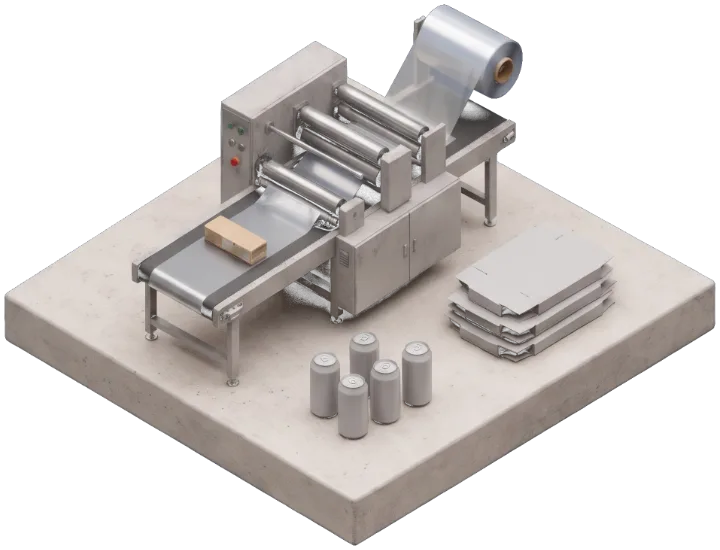
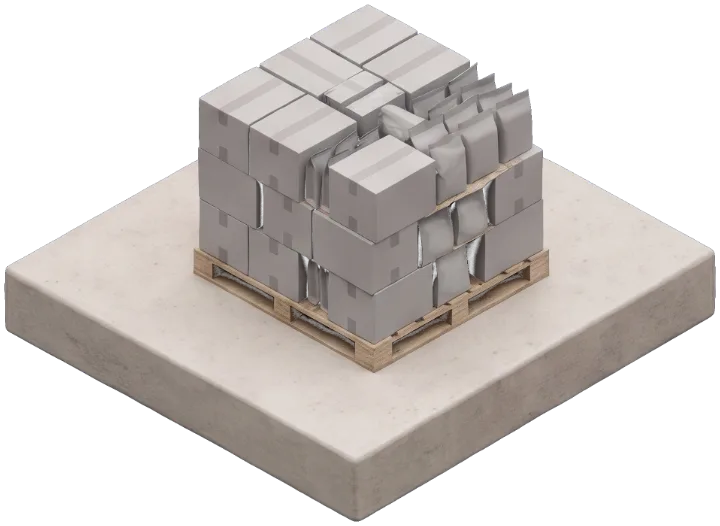
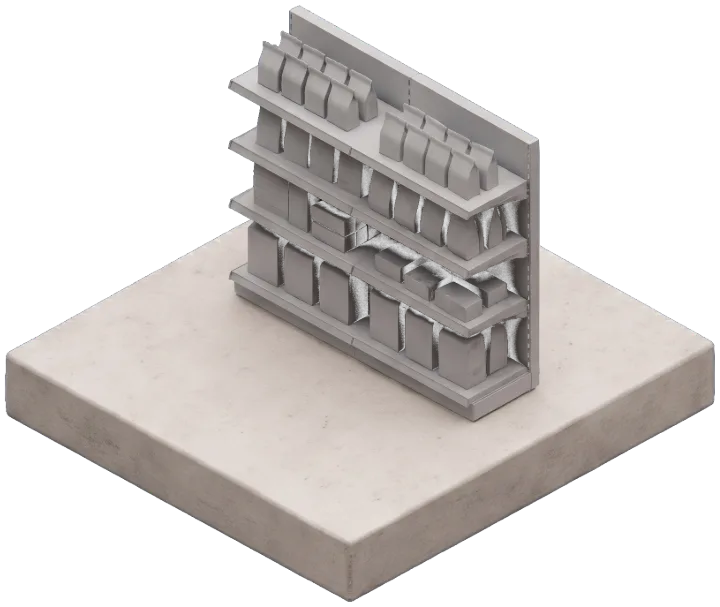
- The brand makes it and ships it. The product goes to a store, a stadium or a hotel, packed in boxes and plastic wrap.
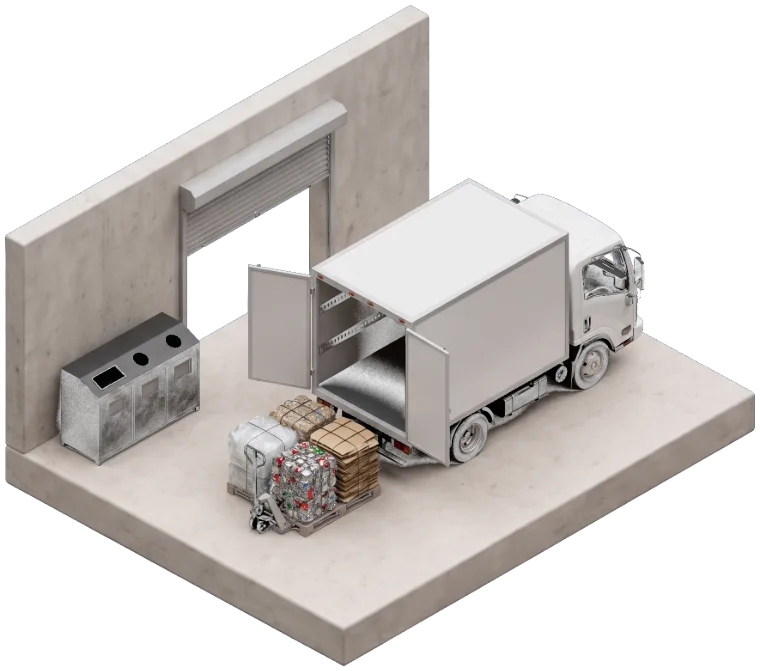
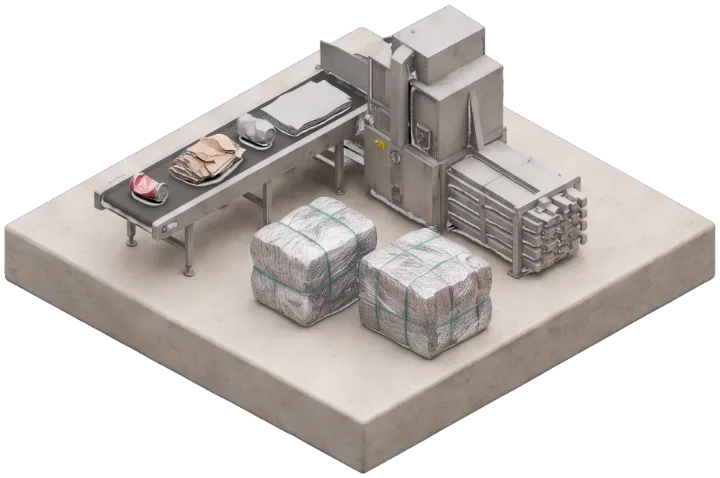
- The store is left with the boxes and wrap. To recycle more, it needs bins, balers and labor, and it would pay for all of it alone.
- The hauler and the sorter move it. They are paid to move and sort it, and few buyers promise to pay more for a cleaner bale.
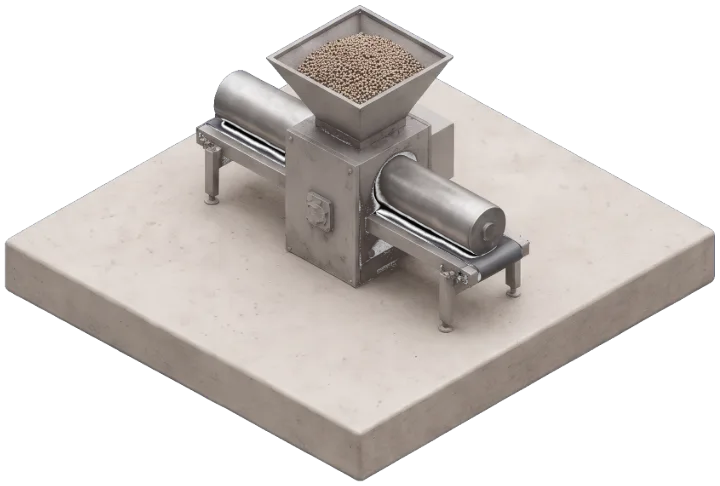
- The mill needs it clean. It has to sell the recycled plastic back to brands at a profit, and new plastic is often cheaper.
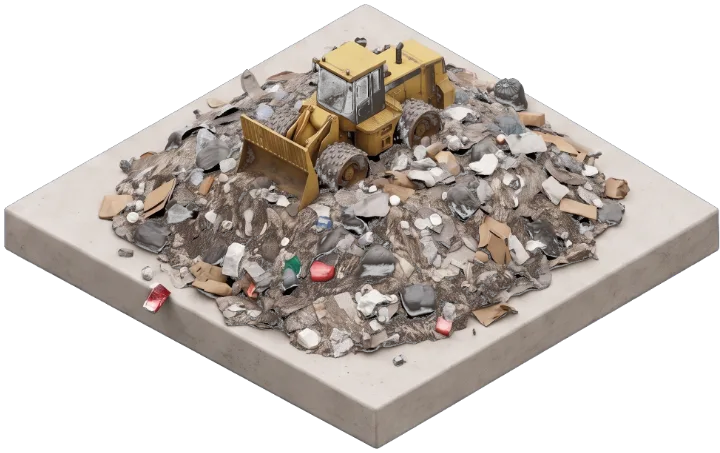
- So the loop breaks. Each company counts only its own cost. Most plastic wrap goes to a landfill, priced by the ton, and the value dies there.
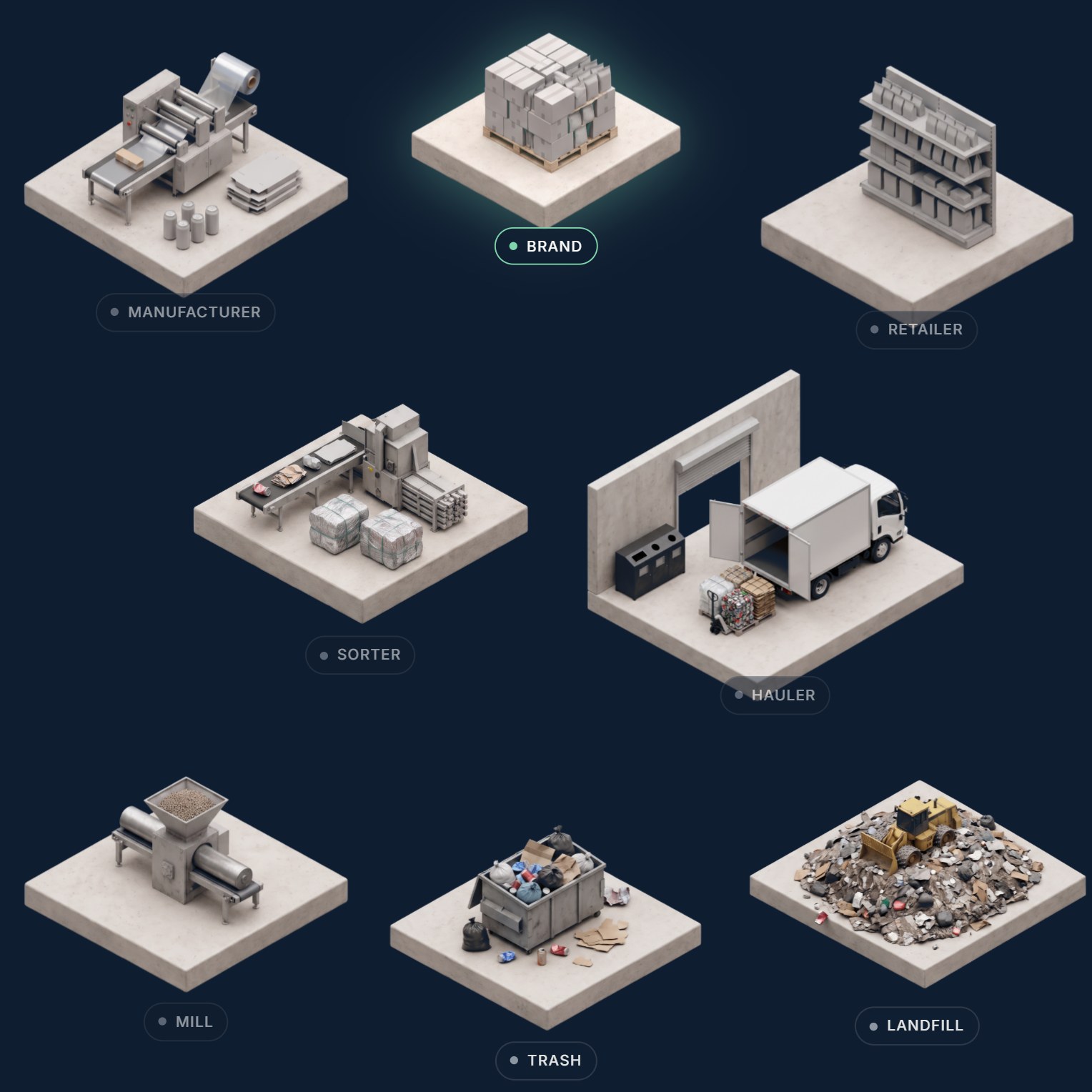
We connect the loop.
The same package shows up in each company's Scope 1, 2 or 3, and what recycling could help avoid stays apart as Scope 4, never subtracted. So they can share the value, and the cost of better bins, balers and routes. We put it in one deal and line up the money.
See how a deal works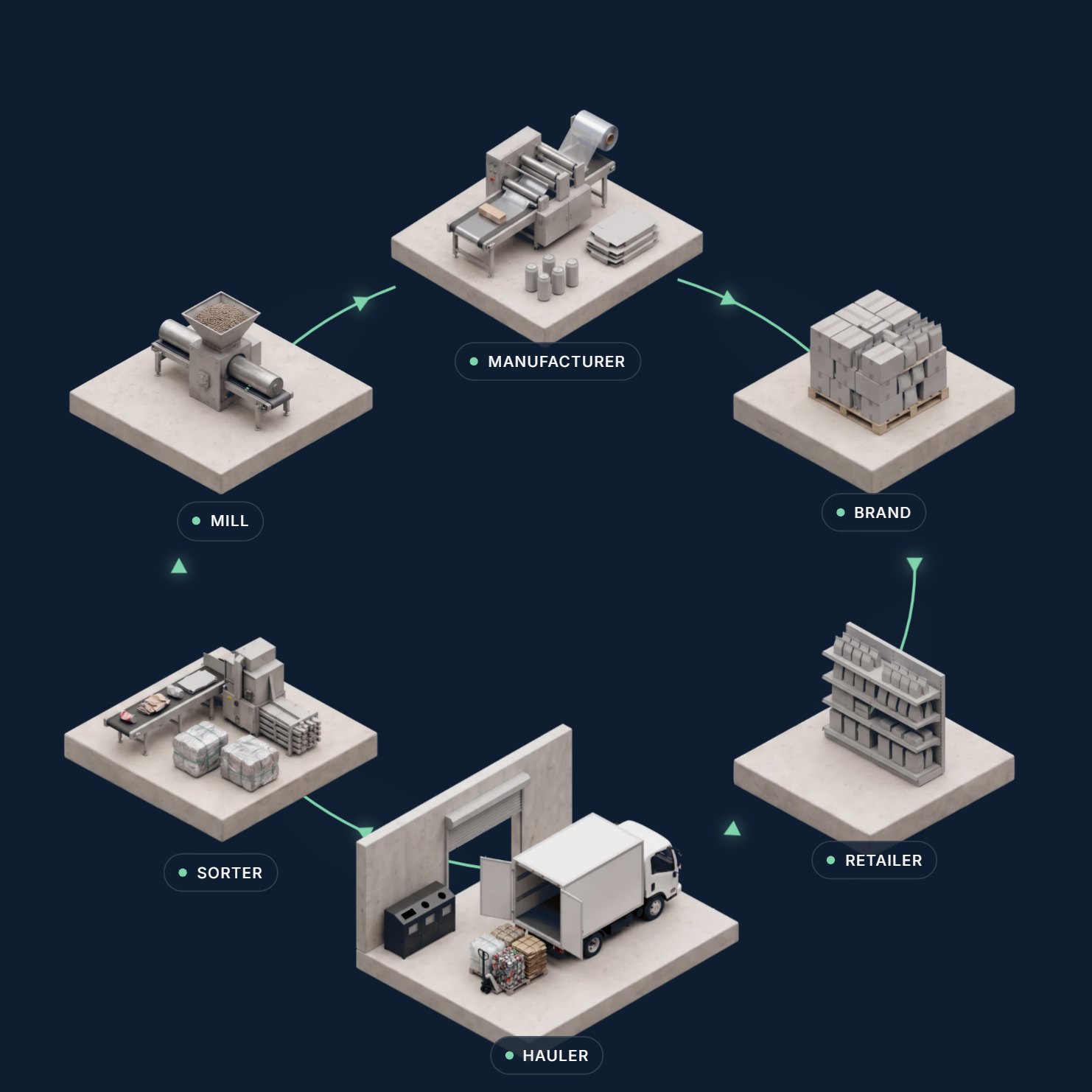
And that unlocks three things.
Each program is built so every handoff is weighed and recorded, and an independent auditor checks the record. So nobody has to take our word for the numbers.
The brand gets proof of where its packaging went. The material can become new products instead of landfill. And where a life-cycle assessment supports it, the program cuts carbon too.
A brand with strong credit can sign a contract to pay a set amount each year, instead of one big check. A licensed lender can fund the start against that contract.
Decarbon Financial is the program developer for the Circular Economy, and a carbon project developer. We create the programs that increase recycling, cut carbon where a life-cycle assessment supports it and unlock the value hiding in the supply chain. Then we make them financeable.
Proof, then capital.
See what we doSix things to know, in plain words.
The examples show how a deal can work.
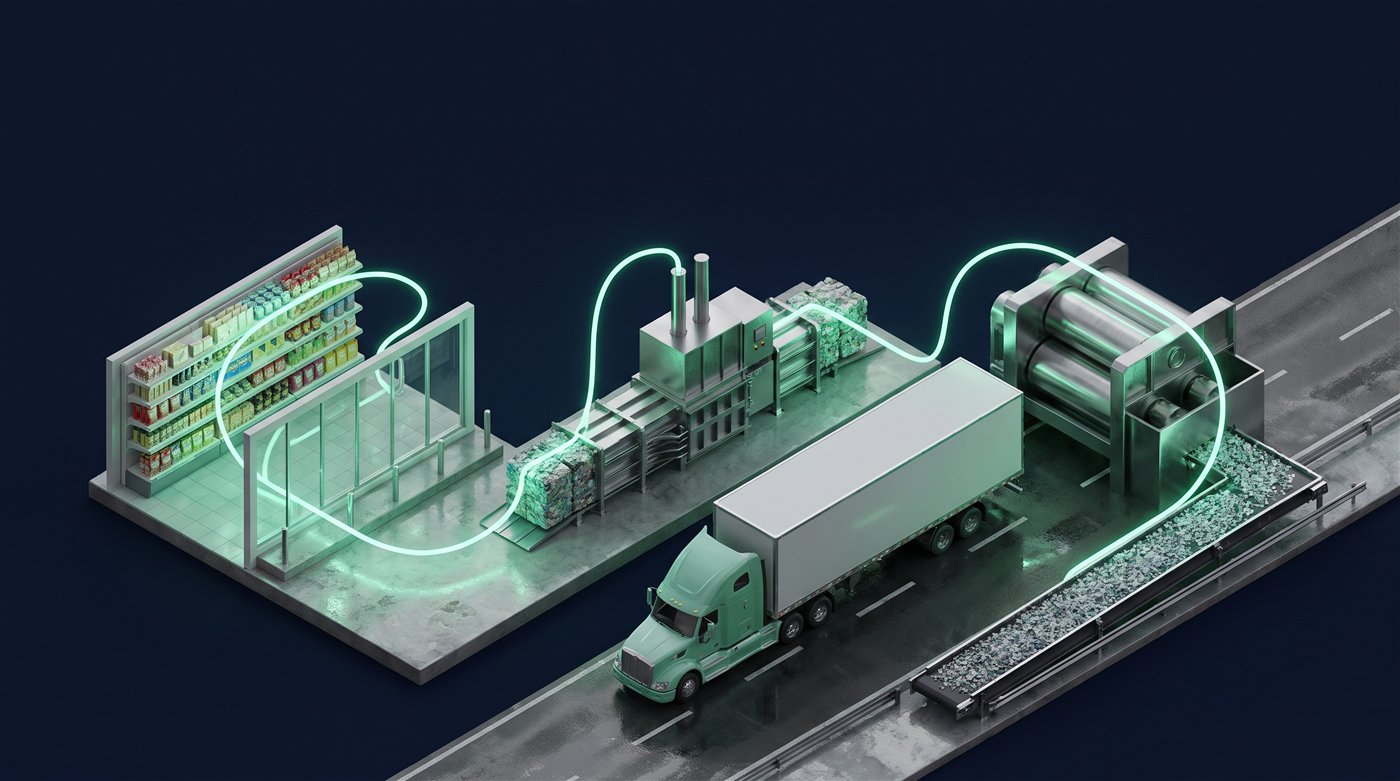
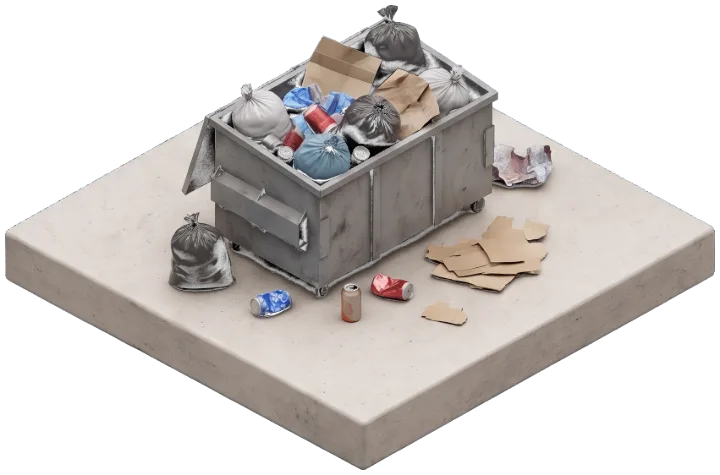
We bring your store, the brand, the hauler and the recycling mill into one deal, and an independent checker checks the record. Example: a grocery store fills a dumpster with plastic wrap every week. We turn that pile into a program where the wrap gets made into new products.

The companies whose packaging ends up in your trash can fund the program. Example: at a stadium, the drink company pays for the bins and the pickups, and fans see its name on the bins.

Brands pay for it, and in return they get the rights to the material and its story. Or your store can pay for the program and keep the material rights. A stadium or a hotel gets the same choice.

Its name on the program, the recycled material to use again, and proof it can show its customers. Example: a snack brand can show that the wrap around its boxes was tracked to the recycling mill, step by step.

A brand with strong credit signs a contract to pay a set amount each year. A licensed lender can fund the start against that contract, so the program begins without one big check. Paying over years spreads the cost and adds the lender's charge; it does not shrink it.
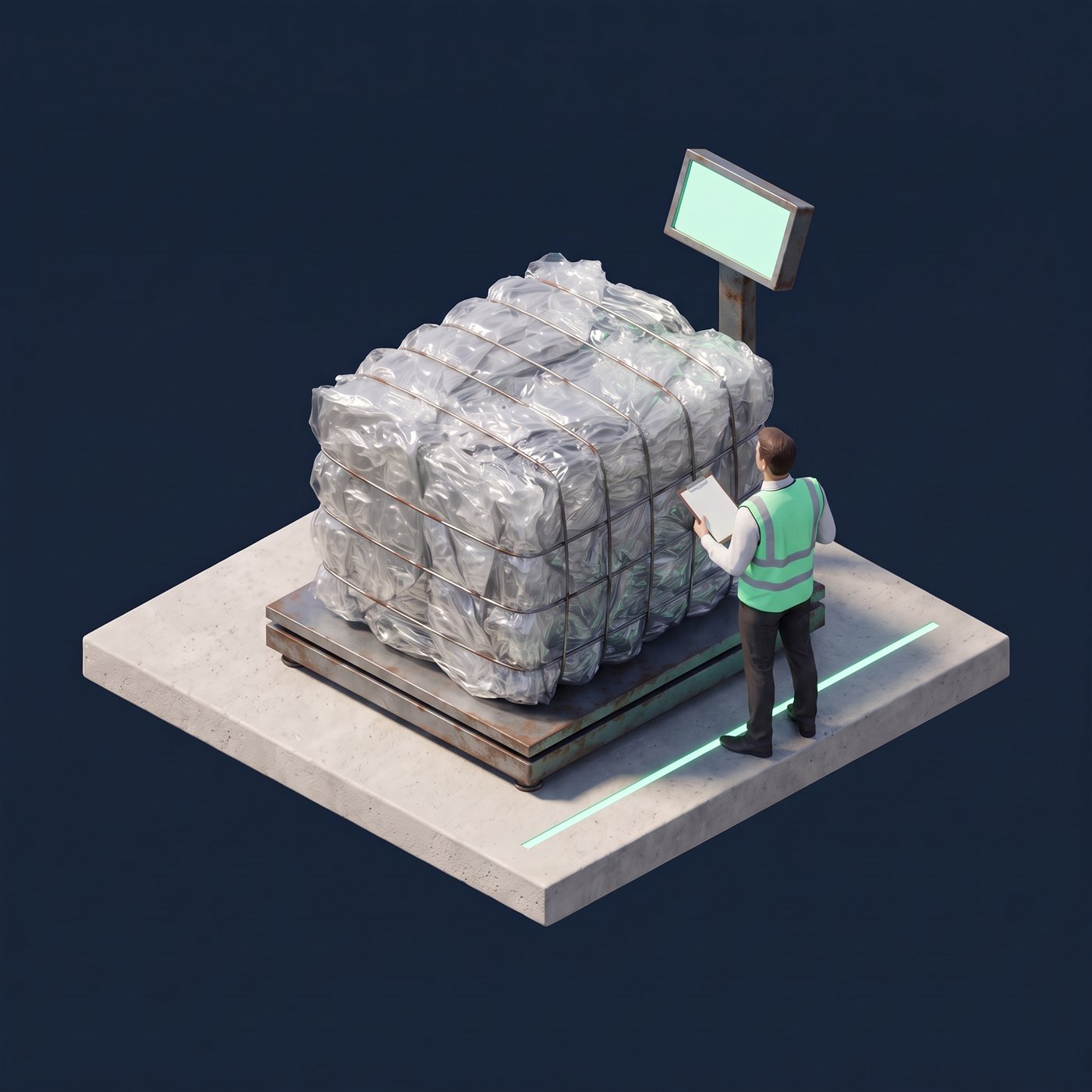
They check the record from your back door to the recycling mill. They are paid for the check, never for the result.
Founded in 2026 on 37 years of Geared for Green recycling operations.
Decarbon Financial is built on Geared for Green, our family of companies, which has designed, built and run recycling programs for 37 years. Our chairman, Danny Schrager, led the program behind the first U.S. Plastic Recycling Traceability verification.
Geared for Green designs, builds and runs recycling programs.
Geared for GreenRecovered by Geared for Green.
Geared for GreenVerified traceability, June 2024 to May 2025: plastics from a national grocery leader, tracked handoff by handoff to recycling mills. A first in the U.S., verified by Intertek.
Intertek Certificate of Verification, 2025
Recycling rules are changing. Here is the latest.
The plan proposes fees that charge more for new plastic and give a bonus for recycled content. The state's decision is expected in late December.
Brands that sell packaging into Oregon pay fees by the pound, at a rate set for each material. Oregon has invoiced producers since July 2025.
One binding packaging law across every member state, with recyclability and recycled-content requirements.
Is your waste worth more than your hauling bill? Let's find out.
- We look at your trash. A short review of what you throw away and what it could be worth.
- We find who wants it and write the deal. You, the brand, the hauler and the mill sign one deal, and an independent checker checks the record.
- Geared for Green sets it up and runs it, with your hauler. Bins, balers and pickups, right where your trash already is.
Stores can start at no upfront cost. Brands with strong credit can pay over years. Tell us where your trash piles up, or which packaging you want to see recycled, and we will come back with what a program could be worth.